
Ρήματα σε -αίνω (Section 1)
Ρήματα είναι οι λέξεις που φανερώνουν τι κάνει κάποιος (π.χ. παίζω, τρέχω, διαβάζω κλπ), τι παθαίνει (πονάει, διψάει κλπ) ή αν βρίσκεται σε μία κατάσταση (κοιμάται, ξεκουράζεται κλπ).
[content_control]
Αν οι μαθητές της ομογένειας μπορέσουν να καταλάβουν τα ρήματα και να λύσουν τις ασκήσεις που προσφέρονται εδώ και είναι ευχάριστες να ολοκληρωθούν, θα καταλάβουν τη βάση της γραμματικής και το πώς η Ελληνική Γλώσσα χρησιμοποιεί τα ρήματα μέσα από τους χρόνους, τις καταλήξεις και τις καταστάσεις που βρίσκονται.
Στη σελίδα αυτή έχουμε τα ρήματα που λήγουν σε -αίνω, -ιζω, -ώνω, -εύω, που καλύπτουν τουλάχιστον το 80% των ρημάτων της πιο όμορφης γλώσσας του κόσμου.
Verbs are the words which indicate that someone is performing an act (i.e. doing something like playing), or something is happening to him/her or is in a particular state (sleeping etc).

Most verbs that end in -αίνω are written like this. However, there are exceptions like πλένω, δένω, μένω
Ρήματα σε -ίζω

Verbs that end in -ίζω, are mostly written with a -ι- (γιώτα), but there are exceptions like, πήζω, κελαρύζω, αναβλύζω, δακρύζω, αθροίζω, δανείζω, πρήζω, συγχύζω
Ρήματα σε -ώνω

All verbs that end in -ώνω are written like this, both syllables with ‘ω’ (ωμέγα).
Ρήματα σε -εύω

All verbs ending in -εύω are written like this except the word κλέβω (steal)
Επανάληψη (Section 2)
Ρήματα / Ουσιαστικά / Επίθετα
Πτώσεις ( Gradients )
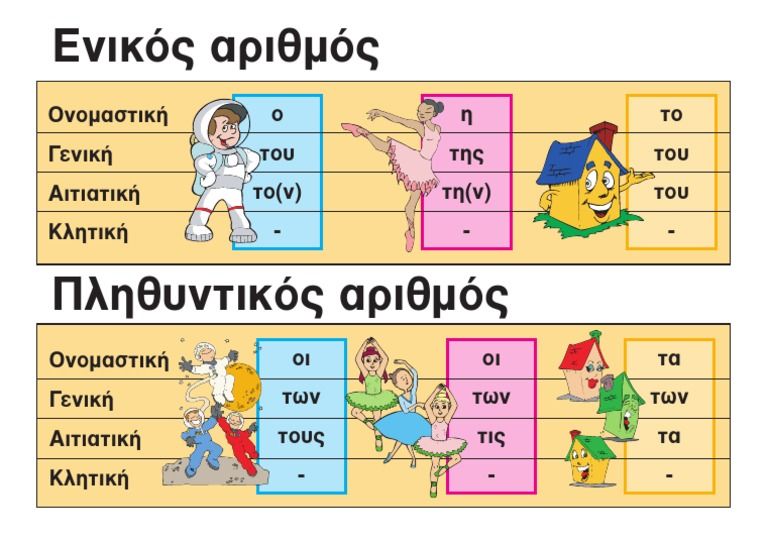
Πτώσεις or gradients are the different forms of a word in speech depending on gender, form (singular or plural) and which person (first person, second, third)
Προτάσεις (Sentences – unjumble) (Section 3)
Χρόνοι Ρημάτων (Ενεστώτας – Αόριστος/Παρατατικός – Μέλλοντας ) Present, Past, Future

Verbs, like in English, are divided into Participles (Present, Past, Future). In Greek we call them (Present= Ενεστώτας, Past = Αόριστος/Παρατατικός, Future = Μέλλοντας). Αόριστος defines something happened once in the past, while Παρατατικός defines something that was happening continuously in the past. Here we look at verbs Είμαι ( I am ) / Έχω ( I have)
Περισσότερα θα βρείτε στις εξής σελίδες:
[/content_control]
Finally, you can support us to be able to create more pages like this. Whatever you can give (even if it is only a nice comment below)… so that we can keep creating free education pages like these. We also need to survive. |